
Planning a wedding across borders usually begins with practical conversations about venues, weather, travel, and which relatives can attend, but resources such as https://cleverbridesconsignments.com/ become especially useful once the dress introduces another layer of decisions involving luggage limits, fittings, local customs, and family photographs. The best option is rarely the most dramatic gown in the showroom. For an international ceremony, the dress needs to suit the bride, the setting, and the actual demands of the day. A beautiful gown that cannot travel safely or remain comfortable through an outdoor reception is not much of a bargain.
Which Silhouettes Travel Best for Destination Ceremonies ?
A-line gowns remain the safest choice for destination ceremonies because they create shape without the bulk of a full ballroom skirt. They photograph well in gardens, chapels, hotels, and beach-adjacent venues, while leaving enough room to walk on uneven ground. A bride can sit through a long dinner, greet older relatives, and move between indoor and outdoor spaces without constantly managing layers of fabric.
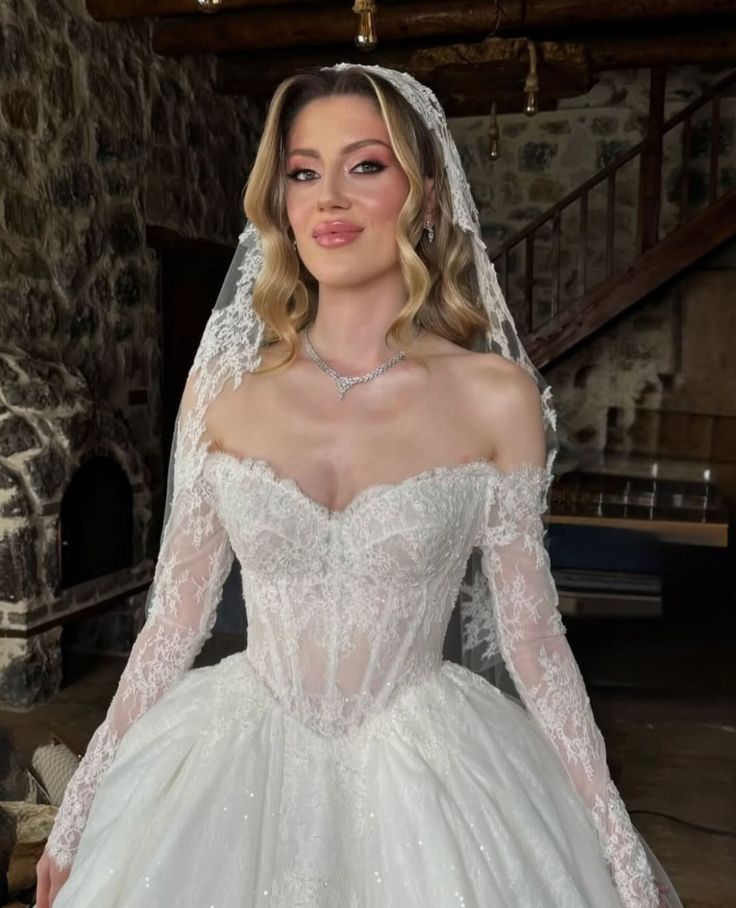
Mermaid and trumpet dresses can be striking, particularly for an evening event in a city hotel or formal restaurant. Their weakness is mobility. A tight skirt may look elegant during portraits but become tiring during stairs, dancing, or a long transfer from the ceremony to the reception. A modest train bustle can help, though it needs to be planned before travel rather than improvised by a cousin with safety pins.
For hot locations, a soft sheath or column gown deserves more attention than it usually receives. It packs more easily, catches a breeze rather than fighting it, and can feel appropriate in settings where a highly structured dress would seem out of place. Among international bride dresses, the most successful silhouettes usually have enough presence for photographs without requiring a separate transport plan.
There is also a cultural element. In some families, a modest neckline, sleeves, or covered shoulders may matter for a religious ceremony, even if the reception dress can be more open. A detachable overskirt, cape, or light jacket gives the bride two looks without buying two full gowns. That is a more useful solution than assuming every ceremony follows the same Western bridal script.
How Should You Pack a Destination Wedding Gown ?
Air travel is where a gown stops being an image on a hanger and becomes an expensive object with seams, weight, and limits. Whenever possible, carry the dress into the cabin in a breathable garment bag. Airlines differ on closet space, and a polite request at the gate is not a guarantee, so check the carrier’s current policy before booking rather than relying on old travel forum advice.
A destination wedding gown should be packed with its support pieces in mind. Shoes, hoop skirts, veils, and steaming equipment can take up more space than expected. Keep the dress, veil, jewelry, and ceremony underlayers in carry-on luggage if possible. Checked baggage is better reserved for less irreplaceable items such as spare shoes, welcome-party clothes, or reception decorations.
- Use acid-free tissue between beaded or embroidered sections so embellishments do not snag.
- Fold only along the gown’s natural seams and avoid crushing the bodice cups.
- Bring a photograph of the dress and a copy of the purchase receipt for customs questions or insurance claims.
- Arrange access to a steamer or a professional pressing service at the destination before departure.
Do not judge packing success by whether the dress emerges perfectly smooth. Even a carefully transported gown will usually need steaming after arrival. The better standard is whether it arrives clean, intact, and under the bride’s control. For couples already coordinating visas, hotels, and relatives, thoughtful wedding planning resources can help keep dress logistics from becoming a last-week emergency.
What Fabrics Handle Heat and Humidity ?
Fabric changes the entire experience of a wedding day. Heavy satin has a polished, formal surface, but it can feel unforgiving in tropical humidity or during a summer ceremony with limited air conditioning. The bride may look composed in the first photographs and feel overheated an hour later. That tradeoff deserves more weight than a showroom mirror gives it.
Chiffon, georgette, light crepe, organza, and silk blends tend to work well where heat is a concern. They move easily and dry faster if the hem picks up a little moisture. Crepe is especially useful for a simple fitted gown because it has a refined finish without the stiffness of heavier fabrics. Lined gowns still matter, but a lighter lining can make a major difference during a long ceremony.
Lace requires a closer look. Fine lace can be breathable, while densely beaded lace over several layers becomes surprisingly warm. Brides considering international bride dresses for a beach, island, or humid garden venue should ask to feel the interior construction, not just the outer fabric. A dress can look airy and still contain enough lining, boning, and appliqué to trap heat.
Weather also affects the groom’s planning. A bride may be choosing a light gown partly because the ceremony runs outdoors, family photos take time, or local traditions involve visiting several households. The most considerate response is not to push a particular style, but to ask how she expects the day to unfold. That question often reveals more than a list of fashion preferences.
Which 2026 Bridal Trends Work Abroad ?
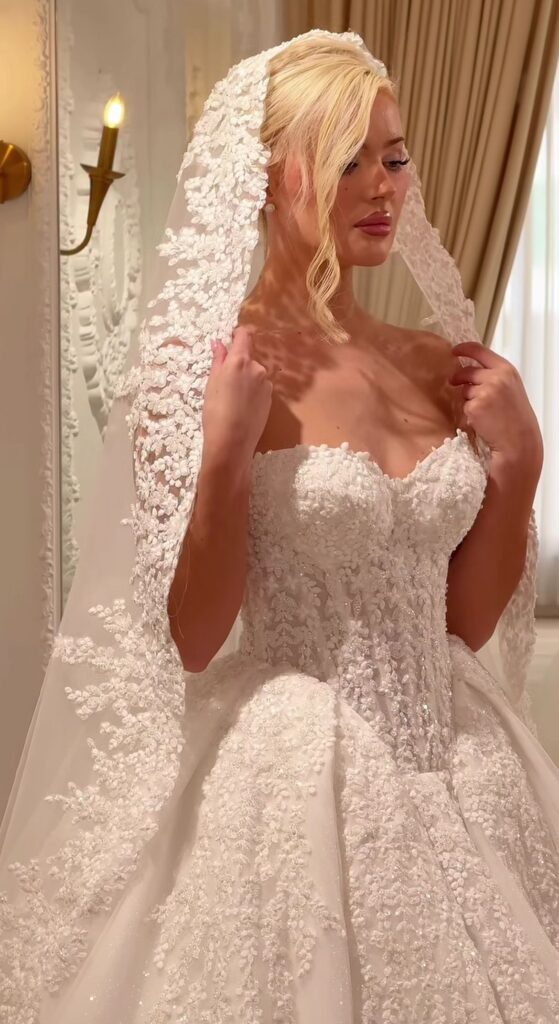
The strongest 2026 bridal trends are less about spectacle and more about adaptable design. Clean corsetry, removable sleeves, sculptural bows, textured fabric, and soft draping are all appearing in bridal collections. Not every trend travels equally well. A large bow may fold awkwardly, and a heavily wired bodice may be uncomfortable on a long flight, but detachable details can make a gown more flexible from ceremony to reception.
Simple dresses are not automatically plain. A well-cut crepe gown with a distinctive neckline, a fitted waist, and a long veil can look more assured than a heavily decorated dress competing with a dramatic view. This is particularly true at destination venues where architecture, coastline, mountains, or local flowers already provide visual character.
Foreign bride fashion is also more varied than a single international style label suggests. A bride from Seoul, Bogotá, Warsaw, Manila, or Lagos may draw inspiration from local designers, social media, family photographs, or a gown she has admired for years. Her choice may be white, ivory, champagne, red for part of the celebration, or a mix of formal bridal and cultural clothing. Treating that decision as personal rather than exotic usually leads to a better conversation.
Current styling also favors a second look for the reception: a short dress, a slim slip gown, or the same gown without sleeves and overskirt. It can be sensible for dancing and late-night travel, but it is optional. Two outfits only make sense if they solve a real comfort or timing issue, not because a trend report made them sound mandatory.
How Do International Bride Dresses Fit Remotely ?
Remote ordering can work, but it rewards precision rather than optimism. Measurements taken by a local tailor are more reliable than a self-measured set sent between messages. Bust, waist, hips, hollow-to-hem length, shoe height, shoulder width, and preferred bra or shapewear all affect the result. A bride who expects to wear heels for portraits and flats for the reception should measure for the taller shoe first.
Most made-to-measure gowns still require alterations. This is where some couples misread the term “custom” as “finished.” Body posture, preferred ease around the ribs, and the way a bride wants the waist to sit can only be judged after the gown is worn. Any remotely ordered international bride dresses should arrive early enough for at least two fittings, even when the boutique promises a close initial fit.
Clear photographs help, provided they are used carefully. Front, side, and back images in close-fitting everyday clothing can show proportions, but they should be shared only with a reputable dressmaker or boutique. Video appointments are useful for confirming sleeve length, neckline height, and train placement. They are less useful for deciding color, since lighting and phone screens can turn ivory into cream, blush, or gray.
The emotional part is straightforward. A bride may want approval from her mother, sisters, friends, or future husband, yet still want the final choice to feel like hers. It is reasonable to discuss budget and ceremony formality. It is not helpful to turn the dress into a test of devotion or cultural preference. Couples who are still learning each other’s routines, including those who first met through mail order brides services, benefit from keeping this decision respectful and specific.
What Alterations Should You Schedule Overseas ?
Schedule the final fitting near the wedding location whenever the gown crosses several borders or climates. Weight can shift during travel, humidity can affect delicate materials, and a dress that fit well in a cool showroom may sit differently after a long flight. A final fitting three to five days before the ceremony leaves time for minor corrections without placing the bride under pressure the night before.
Hem length is the alteration most likely to cause trouble. A gown fitted for clean indoor floors can drag through sand, wet grass, cobblestones, or old stone steps. For outdoor ceremonies, ask the tailor about a slightly raised front hem, discreet loops for lifting the skirt, and a bustle that one trusted person can manage. The person assigned to help should practice once before the event.
Other alterations worth arranging locally include:
- adjusting straps after the bride has chosen her final undergarments,
- securing loose beads or lace that may have shifted in transit,
- adding bra cups or support where a separate bra would show,
- checking closures, hooks, and zippers after steaming,
- pressing the veil and repairing any minor snag before photographs.
Bring a small emergency kit, but do not expect it to replace a tailor. Thread, fashion tape, stain wipes, and spare hooks are useful for tiny problems. A split seam, a broken zipper, or a hem that is several inches too long belongs with a professional. The calmest wedding mornings are usually built on decisions made a few days earlier.
Which Customs Rules Affect Wedding Dress Shipping ?
Customs rules vary by country, and wedding dresses can attract attention because they are high-value garments, especially when they are new and heavily embellished. Shipping a gown internationally may involve duties, value declarations, brokerage fees, local taxes, and delays at the border. The shipping company’s estimate is helpful, but it is not a substitute for checking the destination country’s import guidance.
A receipt, order confirmation, and clear description of the garment should travel with the dress. Avoid vague labels such as “gift” when the gown was purchased. Incorrect declarations can create more difficulty than any duty charge. Where a bride is carrying her own gown, keeping purchase documents in hand luggage makes an inspection easier to handle.
Timing deserves caution. Sending a gown a month before the ceremony may sound generous, yet it leaves little room for a hold, a missed delivery, or alterations after arrival. Shipping early to a secure address can work, but confirm who can receive the package, where it will be stored, and whether the box can be opened and inspected immediately. Hotels are not always equipped to manage delicate formalwear deliveries.
For a cross-border wedding, the dress is not merely an item on a checklist. It will appear in family pictures, personal memories, and perhaps cultural rituals that carry meaning beyond the ceremony itself. Managing international bride dresses becomes easier when design, fitting, transport, and local rules are treated as one plan rather than four separate problems.
The right gown does not have to satisfy a magazine image of an international wedding. It has to fit the bride well, suit the place where she is marrying, and let her move through a full day with comfort and dignity. Leave time for fittings, ask direct questions about transport and customs, and remember that the dress supports the occasion. It does not have to carry the entire meaning of the marriage.